recipes / biomaterials

Bioplastics Recipes

A growing collection of classroom-friendly biomaterial recipes for bioart, biofabrication, and experimental making.

recipe 01

Bioyarn

An alginate-based bioyarn made by extruding sodium alginate into a calcium chloride bath. This recipe can be adapted with food coloring or natural pigments.
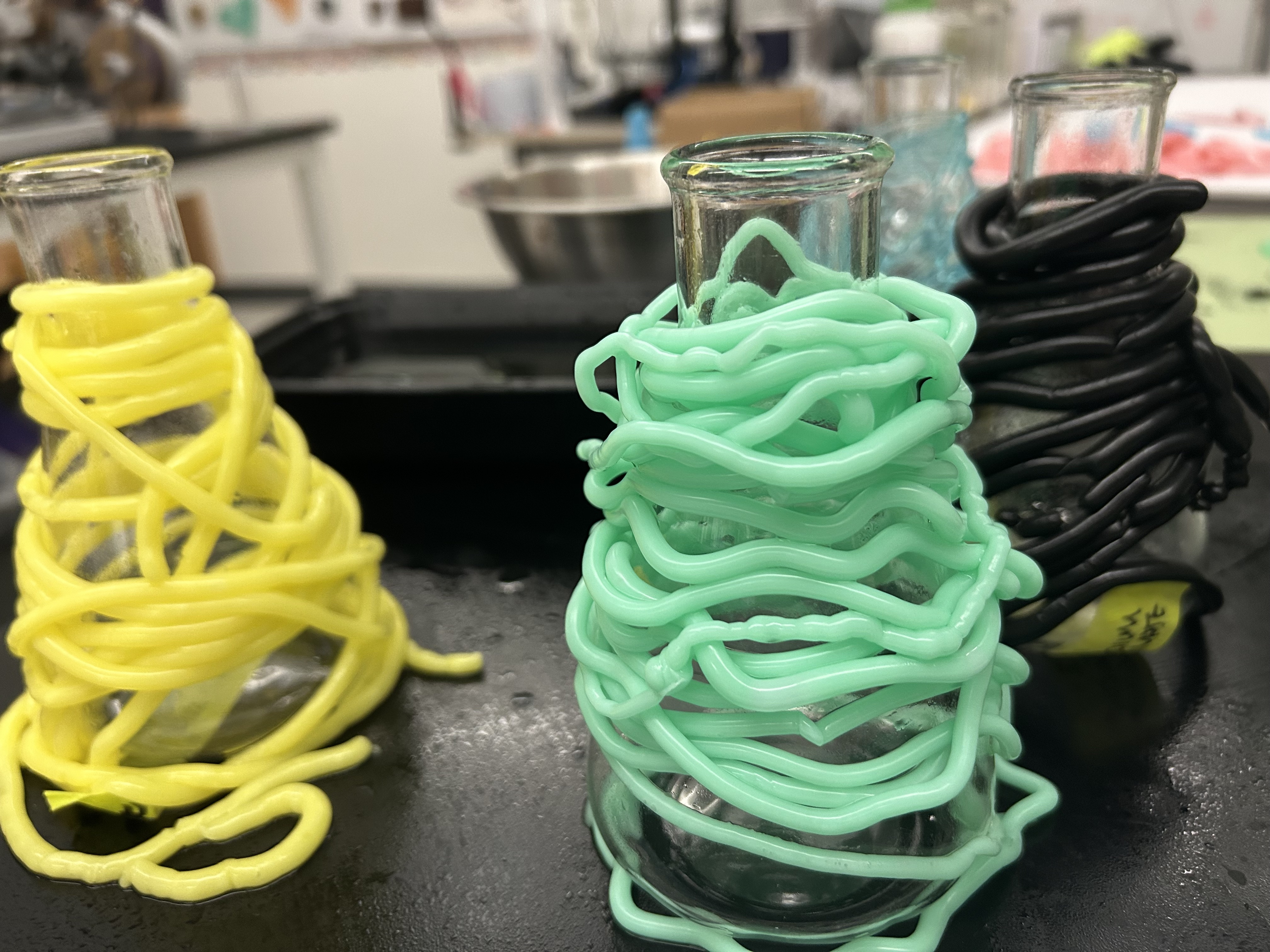
Bioyarn samples

Materials

  • 6 g sodium alginate powder
  • 10 g glycerine
  • 200 mL water
  • 5 g vegetable oil
  • Optional: food coloring or natural pigments
  • Syringe or squeeze bottle
  • Calcium chloride solution bath
  • Clean water bath for washing
  • PPE: gloves and eye protection

Process

  1. Blend sodium alginate powder, glycerine, water, vegetable oil, and optional color until smooth.
  2. Store the alginate mixture in the fridge overnight to reduce bubbles.
  3. Separately prepare a calcium chloride bath by dissolving 30 g calcium chloride in 1000 mL water.
  4. Fill a syringe or squeeze bottle with the sodium alginate mixture.
  5. Extrude the alginate mixture in a long noodle into the calcium chloride bath.
  6. Let the alginate noodle sit in the calcium chloride bath for about 1 minute.
  7. Transfer the bioyarn to a clean water bath to wash off excess calcium chloride.
  8. Wrap the bioyarn around a glass jar or flask to air dry.
  9. Fully dried bioyarn takes about 2–3 days.
Safety note: Calcium chloride solutions can irritate skin and eyes. Wear gloves and eye protection, wash hands after handling, and avoid splashes. See an example calcium chloride SDS before running this activity.
recipe 03

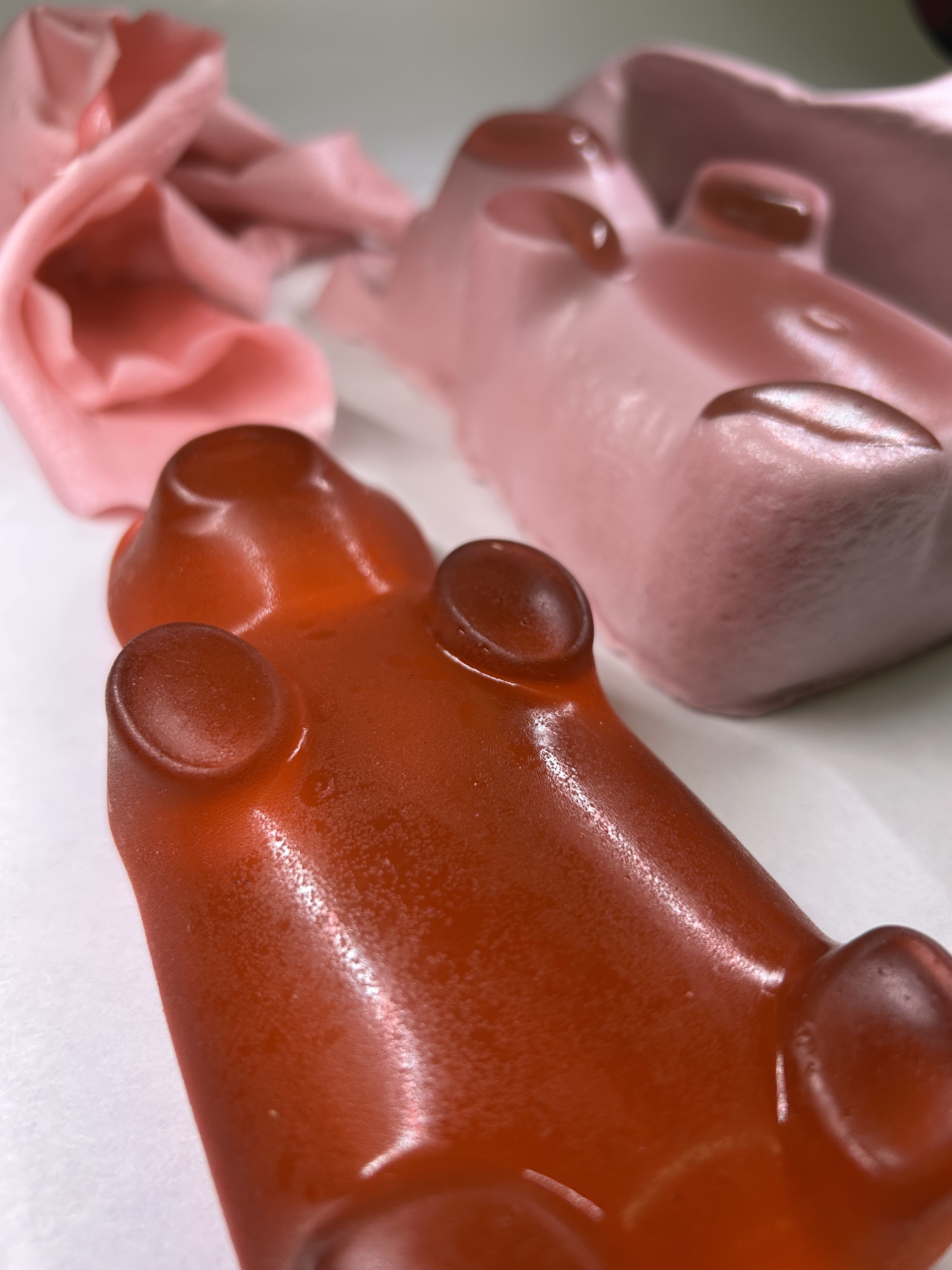
Gelatin Bioplastic

A simple gelatin-based bioplastic that can be cast into flexible films or molded into solid forms. The flexibility of the final material can be adjusted by changing the amount of glycerine.

Gelatin Bear

Materials

  • 48 g gelatin powder
  • 12 g glycerine (adjust for flexibility)
  • 240 mL water
  • Mold, tray, or flat surface for casting
  • Heat source
  • Stirring tool

Process

  1. Combine gelatin powder, glycerine, and water in a heat-safe container.
  2. Heat gently to approximately 60–70°C while stirring continuously until the gelatin fully dissolves.
  3. Maintain gentle heat for about 15–20 minutes, ensuring the mixture is smooth and free of clumps.
  4. Remove from heat.
  5. Pour the liquid mixture into a mold, tray, or flat surface depending on desired shape.
  6. Allow to dry at room temperature.
  7. Drying time may vary from 1–3 days depending on thickness and humidity.

recipe 04

Agar Bioplastic

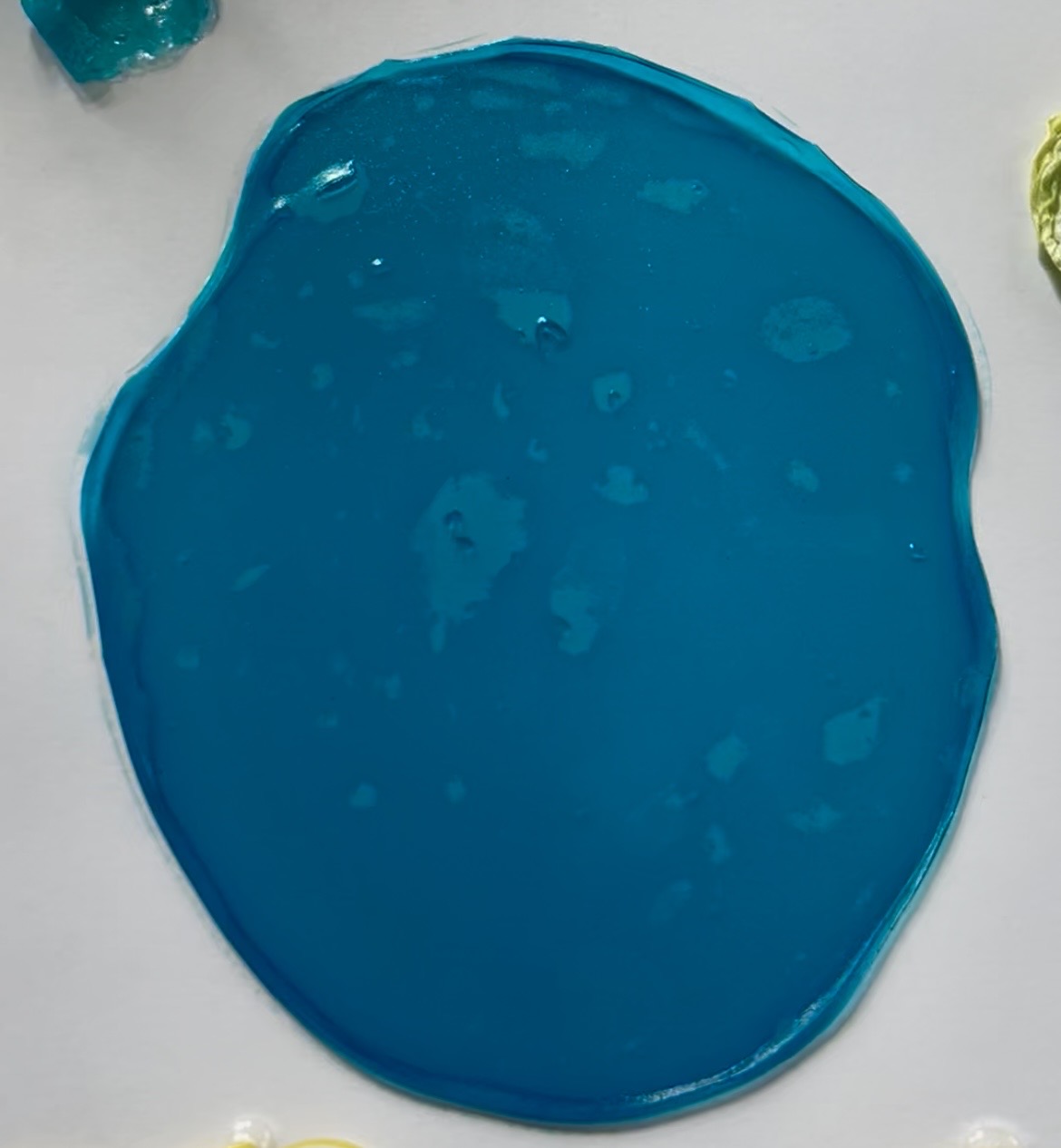
A plant-based bioplastic made from agar that can be cast into films or molded into solid forms. Compared to gelatin, agar produces a firmer and more brittle material.

Agar sample

Materials

  • 12 g agar powder
  • 18 g glycerine (adjust for flexibility)
  • 400 mL water
  • Mold, tray, or flat surface for casting
  • Heat source
  • Stirring tool

Process

  1. Combine agar powder, glycerine, and water in a heat-safe container.
  2. Heat the mixture to a full boil while stirring continuously.
  3. Continue stirring until the agar is fully dissolved and the mixture becomes smooth.
  4. Remove from heat.
  5. Pour into a mold, tray, or flat surface depending on desired shape.
  6. Allow to cool and set at room temperature.
  7. Let dry completely; drying time will vary depending on thickness.

recipe 02

BioFoam

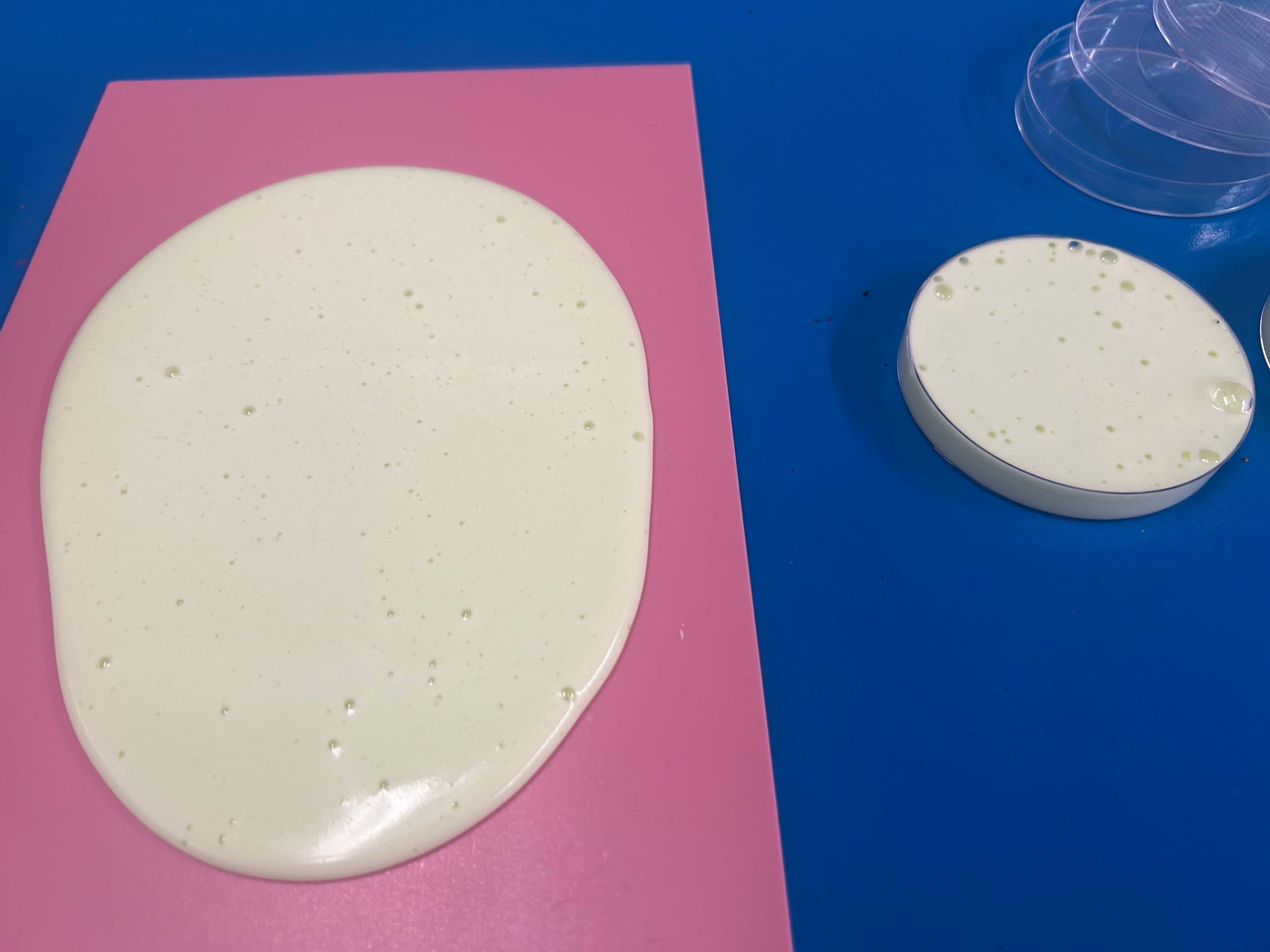
A foamy bioplastic created by incorporating air into a gelatin-glycerine mixture. This material produces lightweight, porous structures that can be molded and dried.

BioFoam samples

Materials

  • 12 g gelatin powder
  • 12 g glycerine
  • 150 mL water
  • 1 tsp dishwashing soap (preferably mild / biodegradable)
  • Mold of choice
  • Heat source
  • Whisk or hand blender

Process

  1. Combine gelatin powder, glycerine, and water in a heat-safe container.
  2. Heat gently to approximately 60–70°C while stirring continuously until the gelatin fully dissolves.
  3. Maintain heat for about 15–20 minutes, continuing to stir to avoid clumping or burning.
  4. Remove from heat.
  5. Add 1 teaspoon of dishwashing soap.
  6. Use a whisk or hand blender to incorporate air and create a foam structure.
  7. Continue mixing until the foam is stable and large bubbles are minimized.
  8. Pour into a mold of your choice.
  9. Allow to dry completely at room temperature.

recipe 05

Conductive Agar

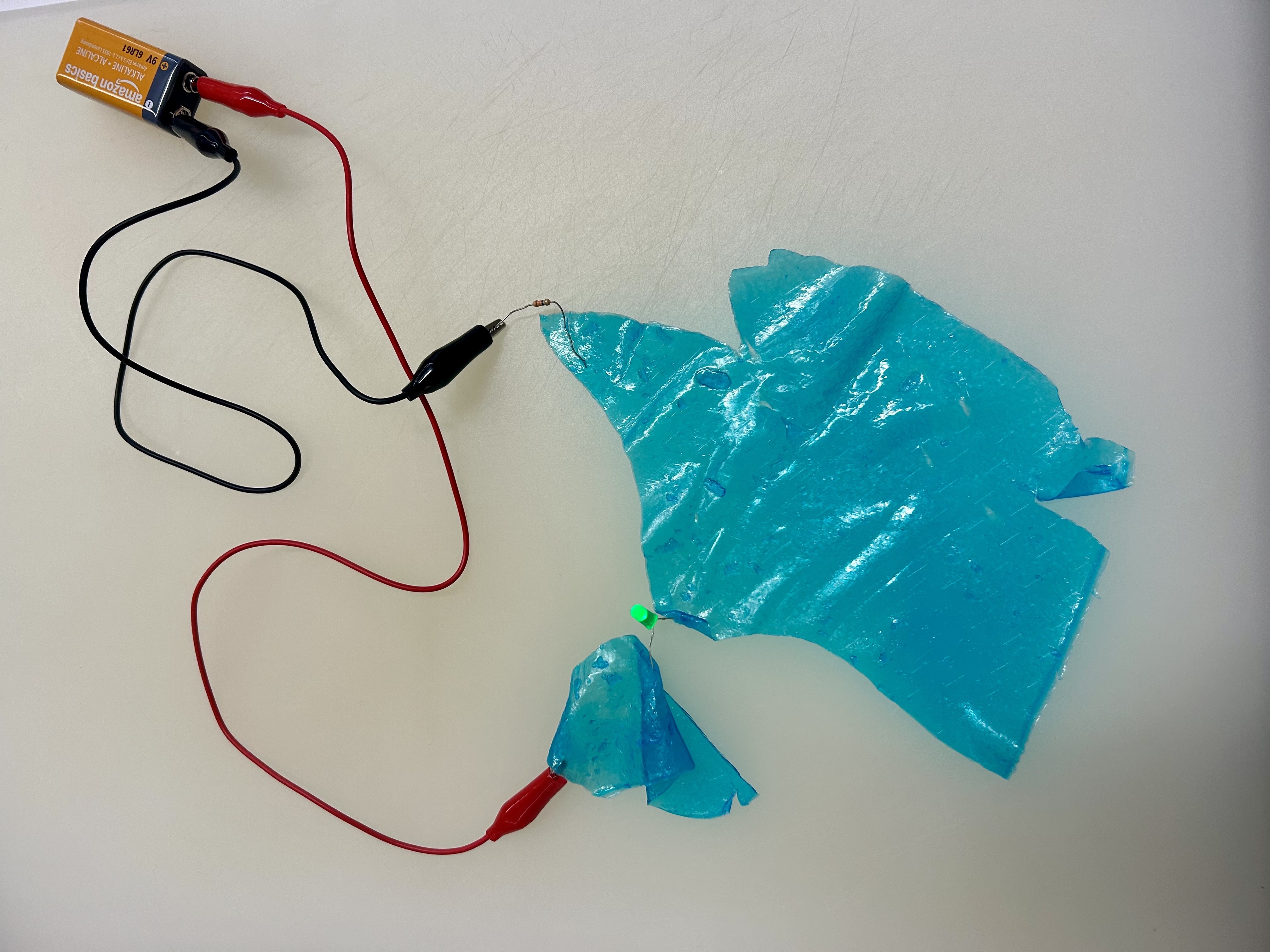
A salt-infused agar bioplastic that can conduct electricity. This material can be used for simple circuits, touch sensors, and bioelectronic experiments.

Conductive agar

Materials

  • 2 g agar powder
  • 1 mL glycerine
  • 210 mL water
  • 5 g salt
  • Pot or heat-safe container
  • Heat source (stove or hotplate)
  • Mold

Process

  1. Combine agar powder and glycerine in a pot.
  2. Add a small amount of the water and mix to form a smooth paste.
  3. Add the remaining water and stir.
  4. Heat the mixture to approximately 90–95°C (just below boiling), stirring regularly.
  5. Once the agar is fully dissolved, add the salt.
  6. Continue stirring until the mixture is fully combined.
  7. Remove from heat and allow it to cool slightly.
  8. Pour into a mold.
  9. Allow the material to cool and solidify.
  10. Let dry over several days to a week, depending on thickness and humidity.

recipe 06

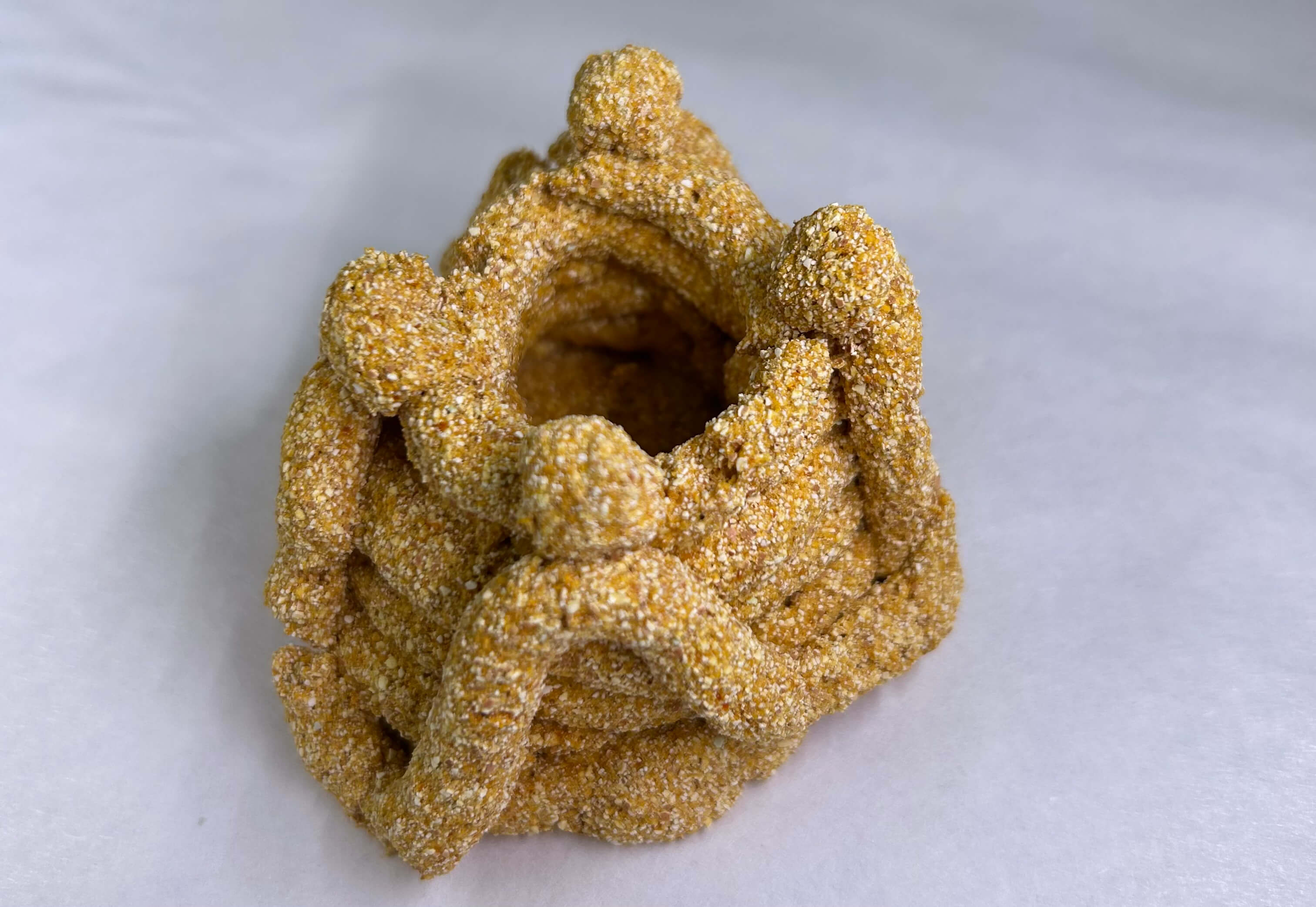
Coffee Biopaste

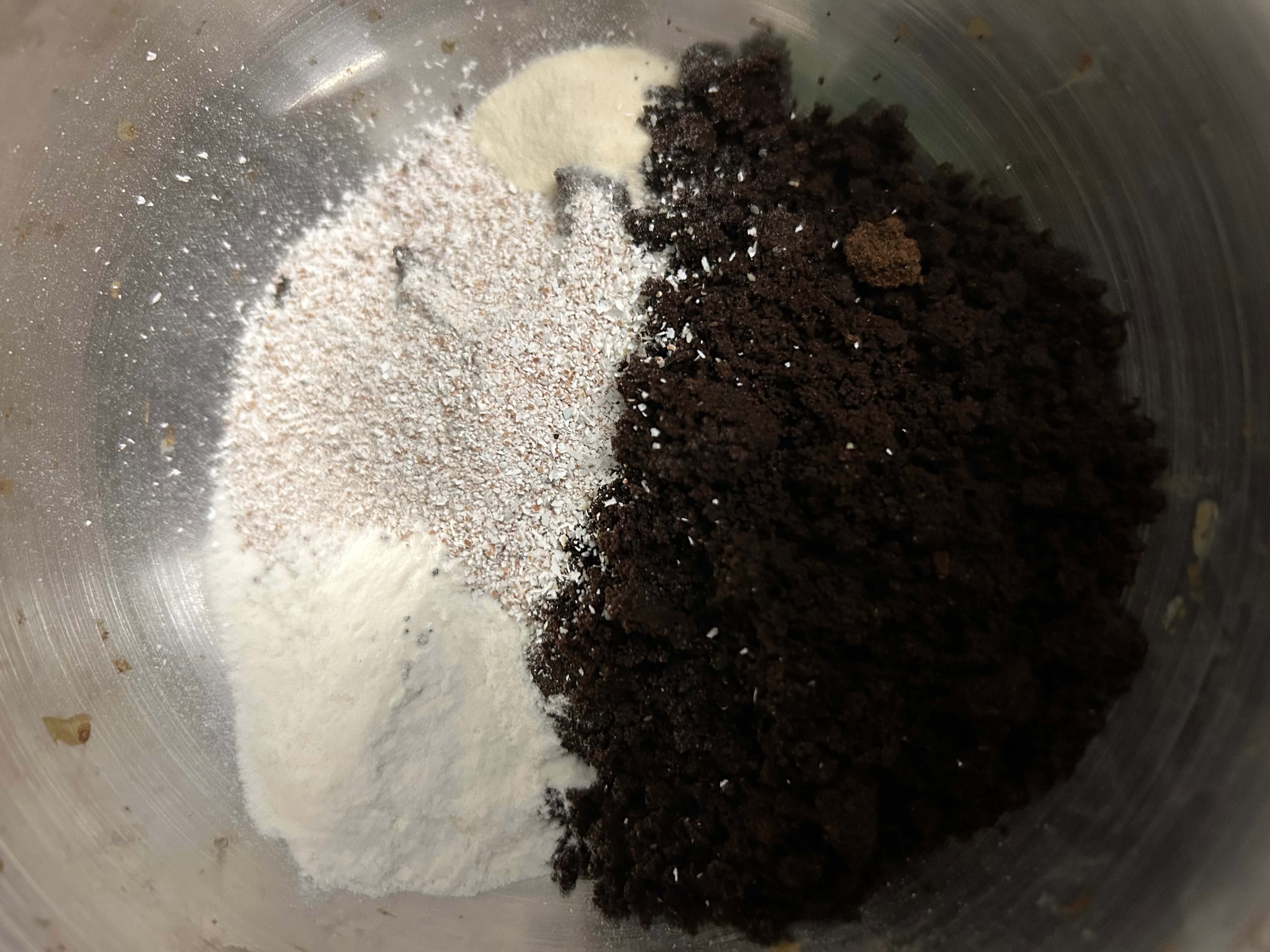
A moldable and extrudable biopaste made from coffee grounds and eggshells. This material can be shaped by hand, cast in molds, or used for bioprinting and extrusion-based fabrication.

Coffee paste ingredients

Materials

  • 40 g used coffee grounds (fine, dry)
  • 20 g finely crushed eggshells
  • 3.4 g methylcellulose
  • 1.0 g xanthan gum
  • 95 g water

Process

  1. Combine all ingredients in a mixing container.
  2. Mix thoroughly until a uniform paste forms.
  3. Adjust consistency if needed by adding small amounts of water or dry material.
  4. Use immediately or store short-term in an airtight container.

recipe 07

Orange Peel Biopaste

A citrus-based biopaste made from powdered orange peels and eggshells. This material follows the same formulation principles as coffee biopaste, using plant waste as a structural and textural component.

Orange peel biopaste

Materials

  • 21 g orange peels (dehydrated, ground, and sieved)
  • 60 g finely crushed eggshells
  • 3.4 g methylcellulose
  • 1.0 g xanthan gum
  • 85 g water

Process

Follow the same process as the Coffee Biopaste recipe. Combine all ingredients and mix thoroughly until a uniform paste forms. Adjust consistency as needed.